Cast iron table saws reward steady hands and careful setups, but the supporting gear around them matters just as much. You need the right fence, stand, insert, or alignment aid to keep cuts predictable in a garage shop, basement workspace, or busy jobsite corner.
This roundup focuses on parts and accessories that shape day-to-day use around cast iron saws. You’ll also see a few portable support pieces, since stable feed surfaces and repeatable cuts are often what make a saw feel dialed in.
Quick Look At The Shortlist
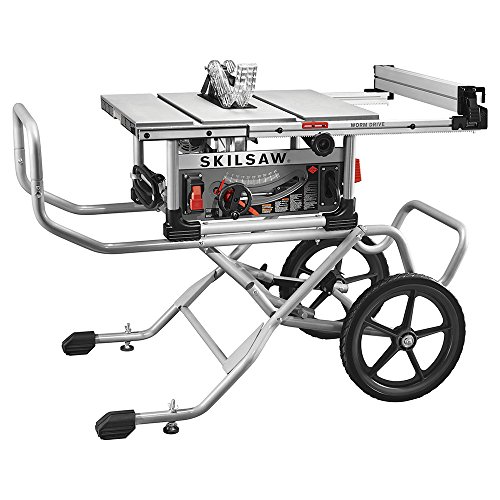
SKIL 10 Inch Heavy Duty Worm Drive Table Saw (SPT99-11)

Saker Thin Rip Jig Table Saw Jig Guide
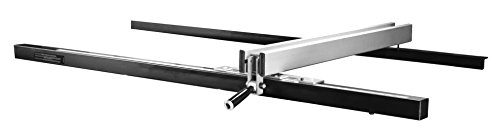
Delta 36-T30T3 30 in. T3 Fence System
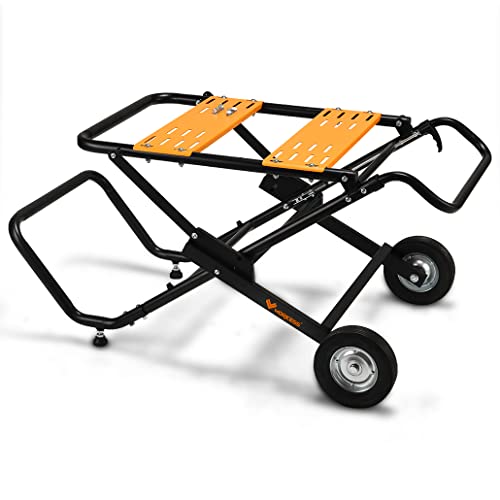
WORKESS Portable Table Saw Stand 330 Lbs

MarvTool 10-inch Compound Miter Saw 5000RPM
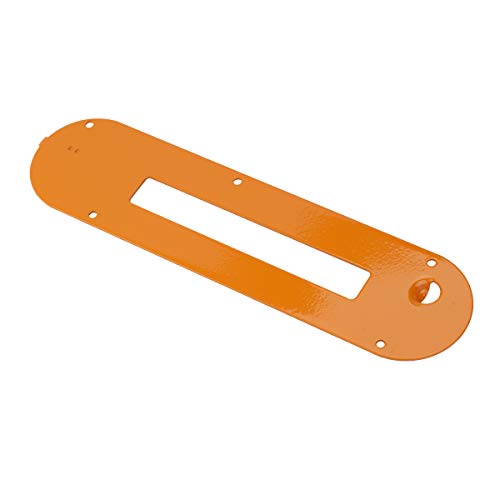
POWERTEC 71420 Table Saw Dado Insert

JET 14-Inch Woodworking Bandsaw JWBS-14SFX

CRAFTSMAN Metal Sawhorse CMST11154

VEVOR Portable Table Saw Stand 350 lbs
More Details On Our Top Picks
The worm-drive layout gives this SKILSAW a serious-shop feel, especially for you who move between garage builds and jobsite cuts. The included stand matters because a table saw only feels steady when the whole setup stays planted, and that’s often the difference between smooth feed and annoying wandering.
Compared with lighter support pieces later in the list, this pick reads like the anchor. It suits frequent use, larger panels, and anyone who wants one saw setup that feels less temporary, though the heavier format does ask for more storage space and a bit more muscle.
Strong Points
- Worm-drive design suits demanding cutting sessions.
- Stand included, so the setup feels more complete right away.
- Good fit for garage shops where stability matters more than portability.
- Handles routine break-down and re-setup without feeling fragile.
Things To Consider
- The heavier footprint takes planning in tighter storage areas.
- Moving it around a crowded shop takes more effort than a compact accessory.
- The saw and stand combo makes sense for steady use, less so for occasional touch-ups.
Feature Snapshot
Who It Suits Best
Serious DIYers and small-shop woodworkers who want a primary saw setup with solid footing will get the most from this one.
Where Another Pick Suits Better
VEVOR Portable Table Saw Stand 350 lbs makes more sense for you who already own a saw and just need a mobile base.
This Saker jig is about repeatability, not drama, and that’s exactly why it earns a place in a cast iron saw setup. The 3/4-inch by 3/8-inch slot fit keeps it aimed at table saws, band saws, and router tables that accept that style of miter slot, which helps you make narrow strips without constantly resetting your fence.
Compared with the SKILSAW above, this is a precision helper rather than the main event. It works best for trim stock, thin rips, and small-part work, though the trade-off is obvious, it only helps when your machine and slot dimensions line up.
Bright Spots
- Useful for repeated narrow cuts that need a steady guide.
- Fits a common miter-slot style on compatible saws and tables.
- Can cut down setup time for small-strip production work.
- Useful in compact shops where every accessory has to earn its keep.
Worth Noting
- Compatibility depends on your slot size, so measuring first saves headaches.
- It solves a narrow task, not general saw performance.
- Storage is easy, but it still adds another specialized part to keep track of.
Core Details
Made For
Trim carpenters, hobby woodworkers, and anyone cutting lots of skinny strips will get the most value here.
Another Choice May Suit
Delta 36-T30T3 30 in. T3 Fence System is the better match for you if your real need is long, straight rip accuracy.
A solid fence changes how a table saw feels, and this Delta system is aimed right at that problem. The 30-inch format gives you room for wider rip work, while the fence design matters most when you want boards to track straight without constant fussing.
Compared with the Saker jig, this is the part that shapes the whole cut, not just a narrow task. It fits woodworkers who care about alignment and repeatability, though the size and installation commitment make it more suited to a permanent shop setup than a casual bench corner.
Highlights
- 30-inch fence length supports wider rip work.
- Useful upgrade for saws that already run well but need better guidance.
- Helps reduce small setup errors that can ripple through a project.
- Good fit for woodworkers who value clean, straight feeds.
Points To Note
- Fence systems take time to set up correctly.
- The larger format is less appealing for very cramped work areas.
Feature Rundown
The Right Fit
You’ll appreciate this most in a dedicated shop where straight, repeatable rips matter every day.
Skip It When
CRAFTSMAN Metal Sawhorse CMST11154 makes more sense for quick work support and simple setup needs.
Rolling support can matter more than people expect, especially for you who store tools in one corner and work in another. This WORKESS stand leans into portability with 8-inch wheels and a foldable frame, so moving a saw around the shop or into the driveway feels less like a strain.
Compared with the Delta fence, this is about mobility rather than precision. The 330-pound load capacity gives it a serious utility angle, though a rolling base still asks for a flat path and a little care on rough floors.
Best Bits
- Rolling design helps move heavy saw setups between spots.
- Foldable frame makes storage easier in smaller garages.
- 330-pound capacity suits heavier shop equipment.
- Works well for saws that travel between stationary and mobile use.
Areas To Watch
- Wheels help on smooth floors more than on broken ground.
- Portable stands still need regular checks on fasteners and fit.
- Universal compatibility sounds broad, but measuring your saw always helps.
At A Glance
Best Suited To
Mobile woodworkers and garage-shop setups will get the most value from the rolling format.
Reach For A Different Pick When
Delta 36-T30T3 30 in. T3 Fence System is the smarter route for you who care more about cut guidance than movement.
Not every saw-related pick in a cast iron setup has to be a table saw part, and this MarvTool miter saw covers a different kind of cut. The 10-inch blade, 15-amp motor, and single bevel range from 0 to 45 degrees make it a practical companion for trim, framing, and crosscuts that would otherwise bog down a table saw workflow.
Compared with the WORKESS stand, this is about cut variety rather than transport. You may find the extension table useful on longer pieces, though the single-bevel design means it’s more focused than a dual-bevel machine.
Upsides
- Useful for crosscuts that sit outside a table saw’s comfort zone.
- 15-amp motor gives it a workhorse profile for common shop tasks.
- Extension table helps support longer stock more cleanly.
- Handles metal, plastic, wood, and laminates, which broadens its reach.
Softer Spots
- Single-bevel setup limits angle flexibility.
- It adds another power tool to store and maintain.
- Not as specialized for table-saw fence work as the Delta system.
Technical Sheet
Whose Shelf It Belongs On
You’ll like this most if your shop mixes furniture work with trim and framing tasks.
Swap It Out When
Saker Thin Rip Jig Table Saw Jig Guide is the better fit for narrow-strip production on a table saw.
This insert is a narrow but useful piece of the cast iron table saw puzzle, especially for Ridgid R4512 owners planning dado work. A dado insert helps close the gap around wider blade setups, which can support cleaner work when you’re cutting grooves, slots, or joinery channels.
Compared with the MarvTool saw above, this isn’t a standalone machine at all, just a smart accessory for the right table. The fit to a specific saw model matters here, so exact compatibility is the whole story, and that’s worth respecting before anything else.
Reasons To Buy
- Designed for a very specific cast iron saw model, which helps keep the fit focused.
- Useful for dado work that needs a proper insert opening.
- Small, simple accessory that adds an important shop function.
Room For Improvement
- Model-specific fit means it won’t suit every saw.
- It only matters once you’re already set up for dado work.
- Storage is easy, but the value depends entirely on owning the right saw.
Details At A Glance
Who Should Grab It
You’ll get the most from this only when your saw and your joinery plans already line up with dado work.
Look Elsewhere When
Delta 36-T30T3 30 in. T3 Fence System is the better investment for you who want broader day-to-day saw control.
The JET bandsaw sits a little outside the cast-iron table saw lane, but it earns attention for woodworkers who want another precision cutting path in the shop. The 1-3/4 HP motor and 115/230V single-phase power support a more serious workshop setup, and that matters when you’re shaping curves or resawing stock the table saw wouldn’t handle as comfortably.
Compared with the POWERTEC insert, this is a full second machine rather than a supporting part. It suits people with room for a dedicated cutting station, though the higher commitment makes it more practical for established shops than for a starter bench.
Best Things About It
- Strong shop presence for users who need more than one cutting mode.
- Motor and power options suit a more dedicated workspace.
- Useful for curved work and resawing, which tables saws don’t handle as naturally.
- Feels like a serious long-term shop tool rather than a temporary helper.
Minor Gripes
- It needs dedicated floor space.
- The power setup is more involved than a smaller accessory.
- Overkill for casual users who only need occasional crosscuts.
Quick Facts
Built With In Mind
Woodworkers with a dedicated shop and room for a second major machine will appreciate the scope here.
Where A Sibling Pick Shines
SKIL 10 Inch Heavy Duty Worm Drive Table Saw (SPT99-11) is the better route for you who want a single all-purpose saw setup.
Sometimes the smartest helper in a cast iron saw workflow is the plain metal sawhorse sitting nearby. This folding CRAFTSMAN piece is aimed at quick support, extra staging, and fast cleanup, which makes it handy for sheet handling, layout, or temporary outfeed duty.
Compared with the JET bandsaw, it’s a much lighter commitment and far easier to store. That said, you’re buying a support surface, not a machine, so the value depends on how often your projects need temporary staging rather than built-in cutting capacity.
Reasons To Buy
- Folding design saves space after the work is done.
- Useful for temporary support during cutting and assembly.
- Metal build suits shop abuse better than flimsy folding furniture.
- Easy to move around a garage or basement workspace.
Small Caveats
- It does not replace a saw stand or saw table.
- Best value shows up in support tasks, not cutting tasks.
Feature Card
The Right Fit
You’ll like this most for quick jobsite staging, sheet support, and short-term shop setups.
Not Your Match When
WORKESS Portable Table Saw Stand 330 Lbs is the better option for you who need rolling support under a saw.
The VEVOR stand closes the list with a very practical angle, especially for anyone hauling a saw between locations. The 350-pound capacity and 8-inch rubber wheels give it a mobile base feel, and the adjustable mounting range means you can match it to a wider spread of saw bodies after a careful measurement.
Compared with the CRAFTSMAN sawhorse, this is the better pick for real tool support rather than temporary staging. The trade-off shows up in setup diligence, because universal fit still depends on checking dimensions before you commit.
What We Like
- Higher stated load capacity gives it a sturdy utility profile.
- Rubber wheels help reduce rattling and improve shop movement.
- Adjustable mounting range broadens compatibility across many saw bodies.
- Good match for users who move equipment often.
Points To Note
- Universal fit still calls for careful measuring.
- Rolling hardware works best on reasonably smooth floors.
- Portable stands need occasional tightening and fit checks over time.
Feature Rundown
Who Will Love This
You’ll get the most from it when your saw has to travel and storage space changes from one day to the next.
A Better Fit Elsewhere
Delta 36-T30T3 30 in. T3 Fence System suits you better if your priority is cut accuracy over mobility.
How To Choose The Right Cast Iron Table Saws
Start With The Work You Actually Do
Cast iron table saws are heavy, stable machines, so the first question is how you use a saw most days. Straight ripping through sheet goods asks for a different setup than short trim cuts, dado work, or curved cuts handled by a second machine. A fence system matters most for long, repeatable rips, while a thin-rip jig helps when narrow strips keep showing up in your projects.
Think about your shop size too. A dedicated basement shop can handle a larger fence or a full saw stand, but a packed garage usually benefits from foldable support and smaller accessories that clear the floor fast. The right choice feels like a fit with your layout, not a promise of more features.
Match Accessories To The Saw Body
Cast iron tops are built for stability, but accessories still need the right slot, mount, or footprint. A dado insert has to match the saw model, and a portable stand needs enough mounting range to hold the machine safely. Measure before you order, because a close-looking fit can still miss by enough to create frustration.
Compatibility matters most with parts that touch the saw directly. Fence systems, inserts, and stands all shape how confidently you work, and each one has a different margin for error. The tighter the fit, the more dependable the setup tends to feel in daily use.
Look Past The Steel And Check The Workflow
Some gear improves cut quality, and some gear just makes the whole setup easier to live with. A rolling stand helps you move equipment without straining your back, while a sawhorse gives you a simple staging spot for outfeed or assembly. That mix is worth weighing because the best workshop setup often comes from support pieces, not just the saw itself.
Maintenance also matters. Folding frames need occasional hardware checks, and fence rails or mounts reward a little cleaning so dust does not build up in the moving parts. In a busy shop, the accessories that stay easy to store and easy to align usually end up being the ones you keep using.
Decide Where You Want To Spend More
Higher-cost pieces tend to buy you better fit, larger working range, or more durable hardware. That matters most for people who run a saw often, move it between spots, or depend on repeatable cuts for paid work. For occasional weekend projects, a simpler accessory can make more sense than a bulky system with features you rarely touch.
There’s a real difference between a tool that helps once in a while and a tool that becomes part of your routine. Focus on the part that slows you down most, then choose the accessory that fixes that bottleneck first. That keeps the shop practical instead of overbuilt.
What To Weigh Before You Commit
Hidden Buying Traps
The biggest mistake is treating every accessory like it fits every saw. Slot size, saw model, and mounting range all matter, and skipping those details often leads to returns or awkward workarounds. Another common slip-up is overbuying support gear for a small workspace that can’t really absorb it.
Measure your saw, check your floor space, and match the accessory to the task. That simple pass saves more trouble than chasing the fanciest setup.
What The Higher Tier Buys
More expensive gear usually buys better materials, stronger adjustment hardware, and a cleaner fit to the saw. In this category, that can mean a fence that tracks straighter, a stand that rolls with less wobble, or an insert that lines up more cleanly with the machine.
Paying up makes sense when your saw runs often or your work depends on repeatability. For casual cuts, the extra spend can be hard to justify, but in a busy shop the smoother workflow can be worth it.
Frequently Asked Questions
Do cast iron table saws need a special fence system?
No, but a good fence system makes a cast iron saw much easier to use well. The tighter the fence tracks, the more repeatable your rips tend to be.
What makes a dado insert worth considering?
A dado insert helps when you need wider blade openings for groove work or joinery cuts. It matters most on a saw that already supports that kind of setup.
Are portable stands useful with heavy saws?
Yes, especially in garages and shared work areas. A rolling stand can make a heavy saw far easier to reposition without turning every move into a chore.
How do you check accessory fit before ordering?
Measure the saw body, miter slot, or mounting area carefully and compare those dimensions against the listing. A few minutes with a tape measure often prevents a poor match.
Why include a sawhorse in a table-saw roundup?
Because support gear affects how smoothly your shop runs. A folding sawhorse can handle staging, outfeed support, and cleanup without taking much space.