You want a cutter that fits the job, not a drawer full of near-matches. Some tasks call for an oscillating head that slips into tight trim lines, while others need a hand tool that bites through vinyl, carpet, or branchy yard mess without fuss. This roundup keeps those use cases separate so you can match the tool to the work in front of you.
You’ll see corded and cordless choices, plus a few manual cutters for quick, controlled jobs. That mix matters more than it sounds, because the right tool can save time, reduce cleanup, and keep the rest of your project from turning into a patchwork of workarounds.
The Shortlist At A Glance

Rack-A-Tiers Slotter Blade 1-1/4″
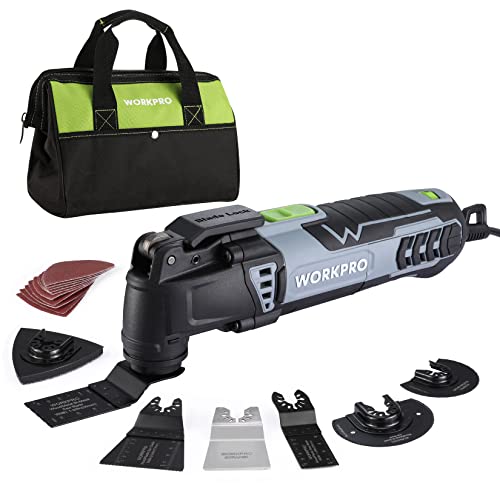
WORKPRO Oscillating Multi-Tool Kit 3.0 Amp

Cerycose Cordless Oscillating Tool Compatible with Milwaukee 18V

Ronan Multi-Cut Industrial Cutter

JORGENSEN Oscillating Tool 5° Oscillation Angle 4 Amp
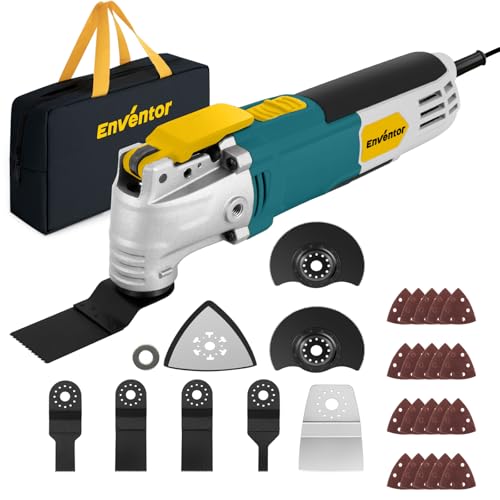
Enventor 2.5Amp Electric Oscillating Tool Kit

RONAN Multi-Cut Quick Change Utility Cutter

Heavy Duty Scissors All Purpose Multipurpose Utility Cutter
More Details On Our Top Picks
Drywall work gets cleaner with a blade that’s built for one narrow job, and this Rack-A-Tiers insert leans hard into that idea. The dual-sided layout is meant to cut two parallel lines, so you can make controlled channels instead of wandering with a standard blade. That makes it a smart fit for remodel work, though it’s less useful for general oscillating-tool chores.
You’ll appreciate it most on electrical or finish tasks where tidy slot work matters more than speed. The trade-off is obvious, the shape is specialized, so this isn’t the one you reach for as a universal accessory. It pairs nicely with a more general kit like the WORKPRO or JORGENSEN tools later in the list.
Strong Points
- Dual-sided cutting helps keep parallel lines consistent.
- Made for drywall channels, which suits wall prep work.
- The narrow purpose can reduce guesswork on layout-heavy jobs.
Things To Consider
- Specialized shape limits everyday versatility.
- Best results depend on careful alignment and steady handling.
Feature Snapshot
Who It Suits Best
You’ll get the most value from this accessory if you do drywall, trim, or layout work where a precise slot is part of the task.
A Better Fit Elsewhere
Choose the JORGENSEN Oscillating Tool 5° Oscillation Angle 4 Amp for broader renovation work that needs a full tool, not just a single-purpose blade.
This WORKPRO kit sits in the sweet spot for general home repair because it balances corded power with a broad accessory set. The 3.0 amp motor gives you a straightforward plug-in setup, while the seven speed settings help you slow down for detail work or dial up for faster cutting. The 3° oscillation angle, a small side-to-side blade arc, keeps the tool controlled rather than wild.
For weekend projects, that mix is easy to live with, especially when you’re trimming baseboards, scraping adhesive, or opening up a patch of flooring. The cord does limit roaming, so it’s less convenient than the Cerycose cordless model for outdoor or ladder work. Still, the included carrying bag and 17 accessories make it a practical first oscillating kit.
What We Like
- Seven speed settings give you usable control across different materials.
- The 3.0 amp corded setup avoids battery charging pauses.
- Seventeen accessories cover a wide spread of common tasks.
- The carrying bag keeps the kit easier to store between jobs.
Minor Gripes
- The cord keeps you tied to an outlet.
- Accessory count helps, but blade quality matters as much as quantity.
- The Christmas phrasing in the title adds noise without changing the tool itself.
Quick Facts
Made For
You’ll like this best for mixed household repairs where one tool has to cover cutting, scraping, and light remodeling.
Another Choice May Suit
Pick the Cerycose Cordless Oscillating Tool Compatible with Milwaukee 18V Battery for cordless mobility and a shop that already runs on Milwaukee packs.
The cordless layout changes the rhythm of the job right away, especially on stairs, exterior trim, or anywhere a cord keeps getting in the way. This Cerycose model is built around Milwaukee 18V battery compatibility, so it fits neatly into a battery ecosystem you may already own. The brushless motor design is a nice sign for efficiency and reduced internal wear, though the tool-only format means the battery side is on you.
The auxiliary handle also matters more than it sounds, because longer scraping or cutting sessions can feel steadier with two-handed control. Compared with the WORKPRO kit, this one leans more toward portability and platform fit than starter convenience. It makes sense for Milwaukee households and for anyone who wants a bare tool instead of another charger and case to store.
Positives
- Milwaukee 18V compatibility keeps it useful inside an existing battery system.
- Brushless motor design usually supports smoother power delivery.
- The auxiliary handle improves control in awkward positions.
- 21,000 OPM gives you a useful ceiling for fast action, since OPM means oscillations per minute.
Worth Noting
- Tool-only packaging means you need your own battery setup.
- Platform compatibility narrows the fit to Milwaukee users.
- Compact cordless tools often trade some runtime planning for mobility.
Details At A Glance
Right Fit For
You’ll get the best match here if you already own Milwaukee 18V batteries and want a cordless oscillating tool that stays light and flexible.
Swap It Out When
Choose the JORGENSEN Oscillating Tool 5° Oscillation Angle 4 Amp if you want a corded full kit with a broader accessory bundle straight out of the box.
Manual cutters still earn a place in a multi-tool roundup when the job is about pressure and control instead of motor speed. The Ronan Multi-Cut uses a blade-to-anvil action with an offset pivot, which means the cutting force is focused through the hinge rather than spread like regular scissors. That setup helps with thick plastic, rubber, leather, and similar dense material, though it won’t replace a powered oscillating tool.
You’ll notice the difference most on hose work, trim cuts, and shop tasks where a powered blade feels like too much for the material. The safety lock and ergonomic grip are practical touches, and the three extra blades make the tool easier to keep in service. Compared with the Rack-A-Tiers blade, this one is for hand-held cutting, not machine-mounted precision.
Highlights
- Offset pivot design gives the cutter stronger leverage.
- Handles dense materials without needing a powered tool.
- The safety lock adds a useful handling check in storage and transport.
- Extra blades help extend day-to-day usefulness.
- The grip shape makes long cutting sessions less tiring.
Areas To Watch
- It’s a manual tool, so speed depends on hand force.
- Sharper replacement blades will matter as the originals wear.
- It’s less suited to fine plunge-style cuts than oscillating models.
Core Details
Whose Shelf It Belongs On
You’ll appreciate this most in a workshop, garage, or contractor kit where dense hand-cut material shows up often.
Look Elsewhere When
Choose the Enventor 2.5Amp Electric Oscillating Tool Kit when you want a powered setup for scraping, sanding, and cutting in one corded package.
The JORGENSEN model pushes harder than the WORKPRO kit on raw motion, thanks to its 5° oscillation angle and 4 amp corded motor. A larger oscillation angle means the blade travels farther side to side, which can make certain cuts feel more aggressive. That helps in renovation work, though the extra motion can feel less delicate on finish surfaces.
Seven speeds and 16 included accessories give you room to tailor the tool to the task, and the carrying bag keeps the set organized after the dust settles. For most garage or remodel projects, that combination lands in a useful middle ground between beginner kits and more specialized pro tools. The broader angle is the real story here, and it gives this JORGENSEN a different personality from the Enventor and WORKPRO picks.
Best Bits
- 5° oscillation angle gives the tool a more assertive cutting feel.
- 4 amp corded power suits longer work sessions.
- Seven speed settings help you match the cut to the material.
- Sixteen accessories plus a bag make storage more straightforward.
Room For Improvement
- The stronger motion may feel less refined for detail trimming.
- Corded use keeps you near an outlet.
- Accessory sets are helpful, but blade swaps still take a moment.
Feature Card
Built With In Mind
You’ll like this most for renovation work where you want a corded oscillating tool with a little more muscle behind the cut.
Reach For A Different Pick When
Choose the WORKPRO Oscillating Multi-Tool Kit 3.0 Amp for a slightly gentler, more starter-friendly feel and a smaller oscillation arc.
Enventor takes the familiar corded oscillating formula and loads it with a larger accessory count than the WORKPRO kit. Six speed settings and a 3° oscillating angle keep the tool within a predictable range, which helps on cutting, scraping, and sanding jobs around the house. The 2.5 amp motor is modest by the standards of this list, though the trade-off is a kit that feels approachable for lighter work.
That mix makes sense for a first oscillating setup or a backup kit for a garage bench. The 28-piece accessory bundle is the headline, but the honest read is that accessories only help when the base tool and your materials line up well. For budget-minded projects, this one offers broad coverage without pushing into fussier territory.
Reasons To Buy
- Twenty-eight accessories give you a wide starting set.
- Six speed settings help with more than one type of material.
- The 3° angle keeps the tool in familiar oscillating territory.
- Good for basic shop use where you want a simple corded setup.
Softer Spots
- 2.5 amp power is modest compared with some other corded picks here.
- The larger accessory bundle can take time to sort and store.
- It fits lighter use better than heavy daily demolition.
Spec Overview
The Right Fit
You’ll get the best match here if you want a corded starter kit with a large accessory bundle and a friendly learning curve.
Where Another Pick Suits Better
Choose the JORGENSEN Oscillating Tool 5° Oscillation Angle 4 Amp for stronger corded performance and a more assertive cutting feel.
Quick-change utility cutters make sense for jobsite tasks where you move from one material to the next all day. This RONAN version is aimed at cable, wood, carpet, laminate tile, vinyl, rubber, and shrub trimming, so the use range is broad without needing a powered body. The quick-change approach is useful in busy work routines, though the real-world payoff depends on blade upkeep and how often you swap.
Compared with the Ronan industrial cutter, this one leans more toward utility versatility than brute leverage. That makes it a better match for professionals and hands-on DIY work where one cutter has to travel between different surfaces. The honest read is that it saves steps, not effort, so sharper replacement blades still matter.
Plus Points
- Quick-change handling keeps blade swaps moving.
- Wide material range suits mixed jobsite chores.
- Useful for cable, flooring, and garden trimming tasks.
- Simple hand-tool format keeps storage easy.
Small Caveats
- Blade condition will strongly affect cut quality.
- Heavy material can still demand more hand force.
- It’s less specialized than a purpose-built flooring or cable tool.
Technical Sheet
Best Suited To
You’ll like this most if you work with mixed materials and want a manual cutter that changes over fast.
Another Choice May Suit
Pick the Ronan Multi-Cut Industrial Cutter when you need more leverage for thick plastic, leather, or dense material in a shop setting.
Simple heavy-duty scissors have a place in a roundup like this because not every cutting task needs a powered tool. This vomex cutter is built for home and industrial use, and the six-in-one format suggests a broad utility role for paper, boxes, wire, pipe, and softer workshop materials. It’s the least specialized pick here, which also makes it the easiest to keep nearby for grab-and-go chores.
For package opening, light shop trim, and quick household fixes, the compact hand-scissor layout is easy to reach for. The limitation is clear, though, since it won’t replace the leverage of Ronan’s industrial cutter or the motion of the oscillating tools above it. Even so, the broad task list gives it a useful spot for people who want one plain cutter rather than a more involved kit.
Bright Spots
- Six-in-one utility format covers a broad set of small jobs.
- Hand-scissor design keeps it easy to store and carry.
- Works well for boxes, paper, and other routine cuts.
- Useful in both home and light industrial settings.
Points To Note
- It’s not built for the same leverage as the Ronan cutters.
- Best for lighter material, not demanding precision cuts.
- Scissor-style tools need regular cleaning around the pivot and blades.
Key Specs
Who Will Love This
You’ll get the most from this cutter if you want a simple all-purpose hand tool for quick household and light shop jobs.
Where A Sibling Pick Shines
Choose the RONAN Multi-Cut Quick Change Utility Cutter when your work swings more toward flooring, cable, and mixed-material jobsite cutting.
How To Choose The Right Multi Tool Cutters
Match The Tool To The Material
Cutting drywall, carpet, cable, and branchy yard scraps all ask for different kinds of force. Oscillating tools use rapid side-to-side motion, while manual cutters rely on leverage and blade shape, so the job matters more than the category label.
For finish work, look for controllable oscillation and a smaller arc. For thick rubber, plastic, or leather, a manual cutter with a strong pivot can feel more purposeful.
Decide Between Corded And Cordless
Corded tools suit long sessions near a workbench because they keep steady power flowing. Cordless tools suit stairs, outdoor trim, and rooms where outlets are awkward or missing.
The trade-off is runtime versus freedom. Cordless models bring easier movement, while corded models usually feel simpler for repetitive work.
Look At Speed, Angle, And Grip
Variable speed matters because a slow setting helps with careful scraping and a higher setting helps with faster cuts. Oscillation angle also changes feel, since a wider angle tends to cut more aggressively.
Grip design matters just as much in real use, especially on overhead patches or longer sanding sessions. An auxiliary handle can make a tool feel more settled, while a slim body helps in tight spaces.
Think About Accessories And Storage
A large accessory bundle sounds useful, but the real question is whether the blades and pads match your usual materials. A smaller, better-targeted set can be easier to sort and keep organized.
Carrying bags and replaceable blades matter more than they first seem. They make the tool easier to keep together, and that helps the kit stay useful long after the box is opened.
Things Worth Knowing First
Common Shopping Slip Ups
Many people focus on accessory count and ignore the tool body itself. A bag full of blades helps less than a motor or cutter that suits the material you handle most often.
Another common miss is buying a cordless tool for long bench work, then discovering the battery rhythm gets old fast. A corded kit or a manual cutter can be the calmer choice for fixed work areas.
The Upgrade Payoff
Higher-tier tools usually cost more because of motor design, better speed control, stronger housings, and more refined grip shaping. Those details matter most when you cut often, work overhead, or need the tool to feel steady for a full project day.
The upgrade makes sense when the tool is part of your regular routine, not a once-a-season drawer item. For lighter household touch-ups, a simpler kit often covers enough ground.
Frequently Asked Questions
What does OPM mean on an oscillating tool?
OPM means oscillations per minute, which describes how fast the blade moves side to side. Higher numbers can help with quicker work, but control and blade choice still matter.
Are corded multi tool cutters better for long projects?
Corded models suit long sessions because you do not need to manage battery charge. They also tend to feel straightforward for bench-based work near an outlet.
Do manual cutters belong in the same category as oscillating tools?
They solve different problems, but they still fit the broader multi-tool cutting idea. Manual cutters are useful when leverage and portability matter more than powered motion.
How many accessories do you really need?
You need enough attachments to cover the materials you actually handle, not just a large count. A smaller kit with the right blades can be more useful than a bigger one with extras you never touch.
Which type works best for tight spaces?
Compact oscillating tools and slim manual cutters usually handle cramped spots better than bulky kits. The best choice depends on whether the space needs powered motion or simple hand control.