Picking the right blade for a mitre saw matters more than it first sounds. The wrong tooth count can leave rough edges, extra tear-out, or a cut that feels slower than it should in a busy workshop. You get a much easier setup once the blade matches your material, your saw size, and the kind of finish you want.
This roundup focuses on blades and one sliding saw package for shoppers who cut wood, aluminum, laminate, or mixed materials at home or on the job. You’ll see which options lean toward fine finish work, which ones suit more general cutting, and which models make sense for metal or plastic work.
Quick Look At The Shortlist
IVY Classic 35056 Swift Cut 10″ Aluminum & Plastic Blade

Diablo Saw Blade for Medium Aluminum D1080N

Diablo 10-Inch 40-Tooth ATB General Purpose Saw Blade

MASTEC 10-Inch 100T TCG Aluminum Saw Blade

DOVAMAN Updated 10-Inch Sliding Miter Saw, 3 TCT Blades

CMT Orange Tools 256.050.10 Combination Saw Blade 10-In.

COMOWARE 10 inch Miter Saws Blade, 80T ATB Circular Saw Blade

WEN BL1248 12-Inch 48-Tooth Carbide-Tipped Woodworking Blade
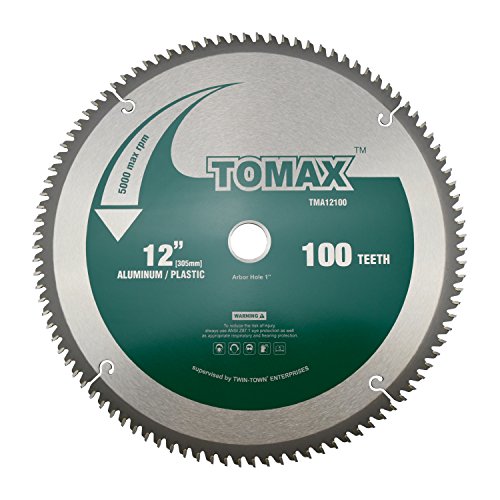
TOMAX 12-Inch 100 Tooth TCG Aluminum and Non-Ferrous Metal Blade
More Details On Our Top Picks
The 200-tooth layout points you toward very fine cuts in aluminum and plastic, not rough framing work. That dense tooth count usually matters most in a shop that trims channel, sheet goods, or plastic parts that need a cleaner edge.
Compared with Diablo’s 40-tooth general blade, this IVY Classic option is far more specialized, which is exactly the trade-off. You give up speed on bulk cuts, but you gain control on delicate material, and that’s usually the better deal for trim-heavy projects.
What We Like
- 200 teeth support a smoother edge on fine material.
- 5/8-inch arbor fits common 10-inch saw setups.
- Better suited to plastic and aluminum than wood-first blades.
- Useful for hobby work, small fabrication, and trim jobs.
Things To Consider
- Too specialized for a one-blade workshop setup.
- Dense teeth can feel slower on thicker stock.
- Cleaning metal residue matters more with frequent use.
Feature Snapshot
Who It Suits Best
You get the most from this blade when your projects center on plastic parts, thin aluminum, or other finish-sensitive material.
A Better Fit Elsewhere
Diablo 10-Inch 40-Tooth ATB General Purpose Saw Blade suits home woodworkers who want one blade for broader everyday cutting.
This blade is built around medium aluminum, non-ferrous metals, and plastics, so the material match is the whole point. TCG means triple-chip grind, a tooth shape that handles metal with a cleaner bite than a general wood blade, and the 80-tooth count keeps the edge controlled.
The .094-inch kerf, meaning the width of material removed by the cut, sits in a useful middle ground for many shop tasks. Compared with the IVY Classic fine-tooth blade, this Diablo feels more purpose-built for metal work, though it’s less versatile than a general-purpose option like the Diablo 40-tooth blade.
Reasons To Buy
- 80 TCG teeth suit medium aluminum and similar materials.
- -5 degree hook angle helps keep cutting calmer.
- .071-inch plate keeps the body relatively slim.
- 5/8-inch arbor fits many standard saws.
- 6000 max RPM gives clear speed guidance for matching tools.
Points To Note
- Metal-only focus leaves little room for broad shop use.
- The 10-inch size may not suit every miter saw.
- Pitch and resin cleanup still matter after repeated use.
Details At A Glance
Right Fit For
You’ll like this most for metal trim, aluminum stock, and plastic profiles where edge quality matters more than speed.
Where A Sibling Pick Shines
Diablo 10-Inch 40-Tooth ATB General Purpose Saw Blade suits wood-focused shops that want one blade for broader daily cutting.
For a lot of home shops, this is the sort of blade that keeps day-to-day work simple. The 40-tooth ATB, or alternate-top bevel, pattern is a familiar wood-cutting setup that leans toward a cleaner finish than a coarse construction blade without feeling overly specialized.
That balance is where it stands apart from the 200-tooth IVY Classic and the metal-first Diablo D1080N. You give up some finish polish on delicate material, but you gain a blade that feels easier to keep mounted for mixed carpentry, shelving, and trim cuts.
Bright Spots
- 40-tooth layout suits everyday woodworking.
- ATB tooth geometry helps improve finish quality.
- Good middle ground for trim, boards, and sheet goods.
- Less niche than the aluminum-focused blades in this list.
Minor Gripes
- Not the right call for metal or plastic work.
- Finish quality trails finer-tooth specialty blades.
- Wood resin buildup still calls for routine cleaning.
Core Details
Whose Shelf It Belongs On
You get the most value from this blade in a home workshop that cuts framing lumber, trim, and general project boards.
A Better Fit Elsewhere
COMOWARE 10 inch Miter Saws Blade, 80T ATB Circular Saw Blade suits finish-focused woodworking where a finer tooth count matters more.
The 100-tooth TCG setup tells you this blade is chasing a cleaner aluminum edge, not a fast rough cut. In a metal shop, that extra tooth count can feel like the right kind of patience, especially on trim pieces and narrower stock.
Compared with Diablo’s 80-tooth aluminum blade, the MASTEC leans even more toward finish quality. That does mean slower progress on larger sections, so it fits best where edge quality matters more than speed.
Upsides
- 100 teeth favor a smoother aluminum finish.
- TCG tooth shape suits non-ferrous cutting tasks.
- 5/8-inch arbor keeps it compatible with common saws.
- Good match for trim, channels, and detailed metal work.
Worth Noting
- Fine-tooth blades usually cut more slowly.
- Not a sensible all-purpose wood blade.
- Metal chips and residue need regular cleanup.
At A Glance
Best Suited To
You’ll appreciate this blade most in a metalworking setup that values cleaner edges over cut speed.
Look Elsewhere When
Diablo Saw Blade for Medium Aluminum D1080N makes more sense for shoppers who want a more clearly specified aluminum blade.
This is the only full saw package in the roundup, so it speaks to shoppers who need more than a replacement blade. The ambidextrous layout helps left- and right-handed use feel more natural, and the included three TCT blades give you a ready-made starting point for multi-material work.
Compared with the stand-alone blades around it, the trade-off is obvious: you are not just paying for the cutting edge, you are paying for the whole machine. For a garage shop that needs one setup to handle different cuts, that can make sense, though dedicated blade shoppers may not need all that hardware.
Standout Traits
- Sliding design expands cut capacity for wider stock.
- Laser guide helps line up cuts more quickly.
- 0 to 45 degree bevel range supports common angled work.
- Nine positive stops can speed repeat angle setups.
- Three included TCT blades broaden first-use flexibility.
Areas To Watch
- Bulkier than a blade-only purchase.
- Multi-tool setups usually need more bench space.
- More moving parts mean more care during storage and setup.
Technical Sheet
Made For
You get the most out of this package in a home shop that wants a sliding miter saw with some immediate flexibility.
Another Choice May Suit
WEN BL1248 12-Inch 48-Tooth Carbide-Tipped Woodworking Blade suits people who already own a saw and only need the blade.
A combination blade like this tries to split the difference between rip cuts and crosscuts, which makes it useful in a real workshop that changes tasks often. The 50-tooth blend and carbide-tipped teeth suggest a bias toward cleaner woodworking without turning it into a niche finish blade.
Compared with Diablo’s 40-tooth general blade, this CMT option leans a little more polished and a bit less plain. The trade-off is that combination blades rarely feel as specialized as a true finish blade or a true ripping blade, but for mixed cabinet and trim work, that middle path works well.
Best Bits
- Combination grind suits mixed rip and crosscut work.
- 50 teeth offer a useful middle ground.
- Carbide-tipped teeth suit long workshop sessions.
- Good fit for cabinets, shelving, and trim projects.
Small Caveats
- Not as specialized as dedicated rip or finish blades.
- General-purpose blades may still need more frequent cleaning.
- Large cabinet jobs may prefer a more focused tooth pattern.
Spec Overview
Who Will Love This
You’ll likely prefer this blade in a wood shop where the cut list changes often and one blade needs to cover a lot of ground.
Swap It Out When
Diablo Saw Blade for Medium Aluminum D1080N is the better route for shoppers cutting aluminum or other non-ferrous stock.
Shoppers who spend most weekends on woodworking projects tend to appreciate a blade that feels set up for finish quality without getting overly specialized. The 80-tooth ATB layout, carbide-tipped teeth, anti-vibration design, and Teflon anti-stick coating all point toward smoother, steadier cutting in wood, laminate, plywood, and hardwoods.
That makes it a stronger finish choice than Diablo’s 40-tooth general blade, though not a metal-cutting option like the Diablo D1080N or MASTEC aluminum blade. The honest read is that it suits woodworkers who want a cleaner edge and are fine with a blade that stays in its lane.
Positives
- 80 teeth help support a finer woodworking finish.
- Anti-vibration design can feel steadier in use.
- Teflon coating may help reduce sticky pitch buildup.
- Useful for laminate, plywood, hardwoods, and general trim.
- 5/8-inch arbor fits many standard saws.
Worth Noting
- Specialized for wood, not metal.
- Fine teeth can be slower on bulk cuts.
- Coated blades still need careful cleaning to stay consistent.
Feature Card
The Right Fit
You’ll get the best results from this blade in a woodworking setup that favors clean edges on sheet goods and hardwood trim.
Reach For A Different Pick When
Diablo 10-Inch 40-Tooth ATB General Purpose Saw Blade suits you better when versatility matters more than finish quality.
The 12-inch format makes this one easier to place in larger shop setups that already support that size. With 48 carbide-tipped teeth, it sits between rough-cut speed and fine finish work, which is handy for trim carpentry, cabinet parts, and table saw use.
Compared with the 10-inch blades above, this WEN gives you a larger format that suits different saws and bigger stock. That said, the size alone won’t help much unless your tool actually accepts a 12-inch blade, so fit matters before anything else.
Highlights
- 12-inch diameter suits larger saw setups.
- 48 teeth give a useful balance of smoothness and pace.
- Works on miter saws and table saws.
- Carbide tips help support longer service in wood shops.
Room For Improvement
- Only useful on saws built for 12-inch blades.
- Not meant for aluminum or plastic work.
- Larger blades can take more storage space in a shop drawer.
Core Details
Built With In Mind
You’ll want this blade for a larger saw setup that handles woodworking jobs across a bench or cabinet area.
Where Another Pick Fits Better
CMT Orange Tools 256.050.10 Combination Saw Blade 10-In. makes more sense for shoppers who want a 10-inch mixed-use woodworking option.
This blade leans hard toward larger aluminum and non-ferrous metal work, helped by its 12-inch format and 100-tooth TCG layout. In a fabrication space or a garage setup that handles longer profiles, that higher tooth count can support a cleaner edge than a coarser all-purpose blade.
It sits closest to the Diablo and MASTEC aluminum options, but the 12-inch size and 1-inch arbor make it a different fit altogether. That larger arbor matters because it limits compatibility to saws built for that spindle size, so measuring before purchase is part of the job here.
Positives
- 100 TCG teeth suit cleaner metal cutting.
- 12-inch diameter helps with larger stock.
- 1-inch arbor fits the right heavy-duty saw setups.
- Good for aluminum and other non-ferrous materials.
Areas To Watch
- 1-inch arbor narrows compatibility.
- Metal-specific design leaves wood work out of scope.
- Larger blade size may require more storage care.
Feature Rundown
Who Should Grab It
You’ll like this blade most in a metalworking setup that already uses a 12-inch saw with a 1-inch arbor.
Not Your Match When
WEN BL1248 12-Inch 48-Tooth Carbide-Tipped Woodworking Blade suits wood-only shops that need a broader, less specialized option.
How To Choose The Right blade for mitre saws
Match The Blade To The Material
The first thing to sort out is material, because that choice narrows the field fast. Wood blades usually use ATB teeth, which help with cleaner crosscuts, while aluminum and other non-ferrous metals need TCG or similar tooth shapes that handle harder stock more calmly.
Tooth count changes the feel too. Lower counts usually cut faster and leave a rougher edge, while higher counts slow the feed a bit and leave a cleaner finish, which matters for trim, laminate, or visible joinery.
Size, Arbor, And Saw Compatibility
Diameter has to match your saw, plain and simple. A 10-inch blade fits many common miter saws, while 12-inch options belong on larger tools that accept that format.
Arbor size matters just as much, because it has to fit the saw’s spindle. A 5/8-inch arbor is common, while a 1-inch arbor, like the TOMAX aluminum blade, needs matching hardware.
Finish Quality Versus Cutting Speed
A finer blade often gives you a cleaner edge, but it usually asks for more patience. That trade-off shows up most clearly in metal and finish carpentry, where a polished edge matters more than raw pace.
For rough framing or quick shop cuts, a 40-tooth or similar blade can feel easier to live with. For cabinets, trim, and visible cuts, 80 teeth or more starts to make a lot of sense.
Extra Features Worth Paying Attention To
Some blades add coatings, vibration control, or special hook angles. A Teflon anti-stick surface can help slow pitch buildup, while a negative hook angle on a metal blade helps the feed feel steadier.
Those extras don’t matter equally for everyone, though. A weekend woodworker may care more about clean edges, while a frequent metal cutter will notice the support from the tooth geometry and blade body more quickly.
Before You Click Through
Common Shopping Slip Ups
A lot of frustration comes from matching the wrong blade to the wrong saw size. A 12-inch blade won’t help much on a saw that only accepts 10-inch stock, and the reverse leaves you stuck before the job starts.
Another common miss is buying by tooth count alone. You still need the right material match, because a high-tooth wood blade is not the same thing as a TCG metal blade.
Where The Extra Money Goes
Higher-tier blades usually cost more because of the tooth grind, the carbide quality, and the body design. That can translate into cleaner cuts, steadier feed, and less visible tear-out on finished work.
The upgrade makes the most sense for frequent use, expensive material, or finish carpentry where a rough edge creates extra sanding and rework. For occasional home tasks, a simpler blade often covers the basics just fine.
Frequently Asked Questions
What tooth count works best for a mitre saw blade?
Forty to 60 teeth is a solid middle zone for general woodworking. Higher counts suit finish work, while lower counts usually feel better for faster, rougher cuts.
Can you use a wood blade on aluminum?
That’s a poor match in most cases. Aluminum and other non-ferrous metals usually call for a blade built with the right tooth geometry, such as TCG.
What does kerf mean on a saw blade?
Kerf is the width of material the blade removes during a cut. A thinner kerf usually removes less material, which can feel easier on the saw and the stock.
Does a 12-inch blade cut better than a 10-inch blade?
Not automatically, because blade size only helps when your saw is built for it. A 12-inch blade mainly gives you more reach on the right tool.
How often should you clean a mitre saw blade?
Cleaning depends on how much resin, pitch, or metal residue builds up during use. A cleaner blade tends to cut more consistently, especially on finish work.