Wood finishes age in visible ways, especially in kitchens, hallways, and family rooms where hands, dust, and daily cleaning leave a mark. You want a wood cleaner polish that fits the surface in front of you, not one that leaves streaks on engineered planks or a heavy film on cabinets. This roundup focuses on practical fit, finish type, scent, and format, so you can match the product to the way you actually live. Some picks lean toward quick floor care, while others suit furniture, shelves, or older wood that needs a gentler touch.
The Shortlist At A Glance
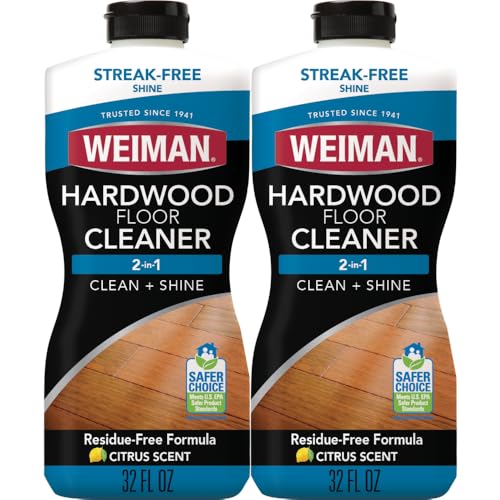
Weiman Hardwood Floor Cleaner for Finished Hardwood, Engineered Flooring, Vinyl & Laminate Surfaces 32 oz 2-Pack

Aunt Fannie’s All Purpose Wood Spray Cleaner 16.9 oz Lemon Scent

Milsek Furniture Polish and Wood Cleaner with Orange Oil 12 Fl Oz

PIPIHUA Wood Oil Polish Spray 16.9 oz

PIPIHUA Beeswax Furniture Polish & Conditioner 8.79 Fl Oz

HOWARD Orange Oil Wood Polish 8 Fl Oz

Howard Products Lemon Oil Furniture Polish 16-Ounce

Weiman Cabinet & Furniture Polish 17 Ounce Aerosol
More Details On Our Top Picks
This one speaks to homes that juggle more than one floor type, because it’s aimed at finished hardwood, engineered flooring, vinyl, and laminate. The streak-free finish matters most in bright entryways and open kitchens, where dull patches show fast, and the two-bottle format suits regular upkeep without constant reordering. The honest trade-off is that it stays in floor-cleaner territory, so you’re not getting a cabinet polish or a wax-heavy film.
Compared with Aunt Fannie’s spray, this pick feels more purpose-built for broad floor coverage than for shelves and furniture. That makes it a stronger match for families with long traffic lanes, pet tracks, or a mix of hard surfaces that need the same care routine. Nothing fancy, but that’s part of the appeal.
Strong Points
- Works across several common floor finishes.
- Leaves a cleaner look without residue buildup.
- Two bottles help you keep pace with routine cleaning.
- Well suited to busy homes with mixed surfaces.
Things To Consider
- Stays focused on floors, not furniture detailing.
- You still need to pair it with the right mop or cloth setup.
- Shine seekers who want a wax finish may want another style.
Feature Snapshot
Who It Suits Best
You’re the right fit for this one if your home has several hard floor surfaces and you want a straightforward cleaner for regular maintenance.
Where A Sibling Pick Shines
Aunt Fannie’s All Purpose Wood Spray Cleaner suits you better for tabletops, shelves, and lighter touchups where a spray format makes more sense.
The no-wax formula gives this spray a lighter feel, which helps on wood tables, shelves, walls, and counters where a sticky finish would be annoying. Lemon scent is a plain but useful detail for everyday spaces, especially in kitchens or home offices that you clean often. You may find it less satisfying than a polish that leaves more visible sheen, but that trade-off also keeps buildup concerns lower.
Against Weiman’s floor cleaner, this one shifts from broad floor care to quick-wipe surface care. That makes it better for people who want a spray bottle within arm’s reach for crumbs, fingerprints, and routine dusting. The format is simple, and that’s usually enough for small, busy surfaces.
What We Like
- Spray format makes quick cleanups easy.
- No-wax approach suits surfaces where buildup is a concern.
- Works on several common wood surfaces around the home.
- Lemon scent keeps the routine feeling fresh.
Points To Note
- Not designed for a glossy furniture finish.
- Spray bottles can feel less precise on large areas.
Core Details
Whose Shelf It Belongs On
You’ll like this most for regular wipe-downs on tables, shelves, and counters in homes that need simple wood care without fuss.
Look Elsewhere When
Weiman Hardwood Floor Cleaner for Finished Hardwood, Engineered Flooring, Vinyl & Laminate Surfaces is the better call for big floor areas that need a dedicated cleaner.
Orange oil is the headline here, and it matters because it usually signals a polish that leans into cleaning and conditioning at the same time. That mix fits wood furniture, cabinets, and even hardwood floors in homes where you want one bottle to cover more than one chore. The trade-off is that multi-surface versatility can make it less specialized than a purpose-built floor cleaner like Weiman.
In a busy kitchen, this kind of product earns its keep on cabinet faces and other handled surfaces that pick up everyday smudges. You may find the smaller 12-ounce size handy for spot care, though households with a lot of wood will likely go through it faster than the bigger two-pack above. It feels like a sensible middle ground, not a flashy one.
Highlights
- Cleans and conditions in one routine.
- Useful across furniture, cabinets, and floors.
- Orange oil gives it a familiar polish profile.
- Smaller size works well for spot maintenance.
Room For Improvement
- Single-bottle format may run out sooner in larger homes.
- Not as narrowly tailored as a dedicated floor cleaner.
- Strong scent preferences can matter with orange oil products.
Spec Overview
The Right Fit
This suits you best if you want a broad-purpose wood cleaner polish for cabinets, furniture, and modest floor touchups.
A Better Fit Elsewhere
Howard Products Lemon Oil Furniture Polish fits better for dedicated furniture care when you want a more classic furniture-polish direction.
The spray format makes this one feel quick and approachable for cabinet fronts, tables, and even floors that need a fast refresh. Because it’s framed as both cleaner and furniture polish, you’re getting a more all-in-one style than Aunt Fannie’s no-wax spray. The catch is that broad wording can mean you’ll want to pay attention to how much you apply, especially on darker wood that shows excess product faster.
For a home with lots of visible wood trim, this kind of bottle is easy to keep nearby. It fits well in a hallway closet or cleaning caddy, and the 16.9-ounce size is compact enough for regular use without taking over storage space. The honest read is that this is more about convenience than deep restoration.
Upsides
- Spray design is quick to use.
- Works across several everyday wood surfaces.
- Compact bottle stores easily.
- Good match for routine wipe-downs.
Softer Spots
- You’ll want to avoid heavy application.
- Less focused than a dedicated floor cleaner.
- Best results usually come from light, even passes.
Details At A Glance
Built With In Mind
You’re the best match for this pick if you want a quick wood cleaner polish for visible surfaces that need routine attention.
Skip It When
Milsek Furniture Polish and Wood Cleaner with Orange Oil is a better fit for shoppers who want a more established multipurpose polish profile.
Beeswax changes the whole feel of this pick, because wax-based care usually aims for conditioning and surface protection rather than quick cleaning alone. That makes it a better fit for furniture that looks dry or tired, especially pieces you want to keep in place for a long time. The trade-off is maintenance, since wax products usually ask for more careful application and a cleaner cloth routine.
Compared with the PIPIHUA spray above, this one feels slower but more deliberate. It suits cabinets, tables, and older wooden pieces that benefit from a richer finish, while the 8.79-ounce size keeps it manageable for spot work. In a quiet dining room, that kind of measured care makes sense.
Reasons To Buy
- Beeswax format suits conditioning-focused care.
- Helpful for furniture that looks dry.
- Works as both polish and restorer style product.
- Smaller bottle is easy to store.
Areas To Watch
- Wax care usually takes a slower routine.
- Not the quickest choice for daily wipe-downs.
- Cleaning tools matter more with wax-based products.
Feature Card
Best Suited To
This belongs on your shortlist if you want a beeswax furniture polish for cabinets, tables, or older wood that needs more than a quick wipe.
Where A Sibling Pick Shines
Weiman Cabinet & Furniture Polish works better for you when you want a faster aerosol-style routine for cabinets and chairs.
This is the most flexible bottle in the group for wood surfaces that range from finished furniture to unfinished pieces. That broad fit makes it useful in older homes, workshops, or rooms where one product has to cover more than one wood type. The smaller 8-ounce size keeps storage easy, though you’ll likely reach for it more often than a larger container.
Compared with the beeswax PIPIHUA pick, HOWARD feels lighter and less specialized, which can be a plus for everyday upkeep. It’s a good match for people who want a simple bottle for mixed wood conditions and don’t need a wax-heavy finish. That kind of plain utility often works best in the real world.
Best Bits
- Works on finished and unfinished wood.
- Compact bottle stores without effort.
- Orange oil style suits traditional wood care routines.
- Good for mixed-use homes and small projects.
Minor Gripes
- Smaller size means more frequent refills.
- Not as focused on wax protection.
Quick Facts
Perfect Match For
You’re likely to appreciate this most in homes with mixed wood surfaces, small repair shelves, or furniture that needs routine conditioning.
Not Your Match When
Howard Products Lemon Oil Furniture Polish makes more sense if your focus stays on larger furniture care rather than mixed-surface use.
Lemon oil gives this polish a familiar furniture-care profile, and the 16-ounce size makes it better suited to regular upkeep than the smaller HOWARD bottle. That size also helps in homes where a dining set, sideboards, and accent tables all want the same care routine. You may find it less versatile than the orange-oil version for unfinished wood, but the furniture-focused angle is clear.
Compared with Milsek, this pick feels narrower and a little calmer in purpose, which can be a strength for routine furniture dusting. It suits the person who wants a straightforward polish rather than a multi-surface generalist. The bottle size and the product style line up neatly.
Positives
- Comfortable size for ongoing furniture care.
- Classic lemon oil profile suits routine polishing.
- Good match for tables, sideboards, and cabinets.
- Simple format keeps use straightforward.
Small Caveats
- Less flexible than the orange-oil HOWARD bottle.
- Focused on furniture more than broad wood jobs.
Feature Rundown
Who Should Grab It
This fits you best for standard furniture maintenance in rooms where tables and cabinets need regular attention.
Reach For A Different Pick When
Weiman Cabinet & Furniture Polish is the better call for you if you prefer an aerosol format for quicker coverage.
The aerosol format is the main reason this Weiman stands out, since sprays can make cabinet doors, chair backs, and small furniture surfaces faster to cover. It also includes carnauba wax, a natural wax often used to add a more polished finish, which gives it more of a care-and-protect profile than a plain cleaner. The trade-off is that aerosol and wax formulas can feel heavier than simple sprays, so light application matters.
Against Howard Products Lemon Oil Furniture Polish, this one has a more layered finish profile and a more tool-like feel. That suits you well if you want one bottle for wood tables, cabinets, and chairs, especially in rooms where a bit of sheen looks good. It’s practical, though not the softest touch in the group.
Bright Spots
- Aerosol spray helps cover furniture quickly.
- Includes Brazilian carnauba wax for a more finished look.
- Useful on tables, chairs, and cabinets.
- Good match for regular polishing tasks.
Worth Noting
- Aerosol care calls for a light hand.
- Wax content may feel heavier than a simple cleaner.
- Best on furniture, not broad floor care.
Core Details
Whose Shelf It Belongs On
You’re the right fit for this pick if you want an aerosol wood cleaner polish for cabinets, chairs, and tabletop care.
Another Choice May Suit
Aunt Fannie’s All Purpose Wood Spray Cleaner suits you better if you want a simpler no-wax spray for lighter surface care.
How To Choose The Right Wood Cleaner Polish
Match The Formula To The Surface
Finished hardwood, engineered planks, laminate, cabinets, and raw wood all ask for different treatment. A no-wax spray works well for quick wipe-downs, while a wax or oil polish usually makes more sense on furniture that needs conditioning. The wrong match can leave a cloudy film or a finish that feels heavier than you wanted.
Think About The Finish You Want
Some products aim for a natural clean look, while others add more sheen. That difference matters in bright rooms, because strong shine can make dust more noticeable rather than less. For a dining room table, you may prefer a softer polish; for a hallway cabinet, a richer finish often looks fine.
Choose The Format That Fits Your Routine
Sprays suit fast touchups and vertical surfaces, since they spread easily and store well in a caddy. Aerosols and squeeze bottles can give you more even coverage on furniture, though they usually ask for a steadier hand. In a busy home, the easiest bottle to grab is often the one you use most.
Keep Maintenance Realistic
Wax-based options usually need more careful cleanup, and oil-based products can reward a light application more than a heavy one. That’s worth thinking about before you commit, especially in homes with kids, pets, or lots of fingerprints. The best match is the one you’ll keep using without turning cleaning into a second chore.
What To Weigh Before You Decide
Hidden Buying Traps
A lot of trouble comes from treating every wood cleaner polish like the same kind of product. Floors, cabinets, and furniture do not always want the same finish, and a shiny result can hide buildup for a while before it becomes obvious. Check the surface fit first, then choose the polish style that matches your routine.
The Upgrade Payoff
Higher-tier picks usually cost more because of their format, conditioning agents, wax content, or broader use range. You pay for convenience too, since aerosol bottles and multi-surface formulas can save time in a house with lots of wood. The upgrade makes sense when you clean often or want a finish that feels more tailored.
Frequently Asked Questions
What does wood cleaner polish actually do?
It removes light dust and grime while leaving a more finished look behind. Some formulas also add conditioning or wax for furniture care.
Can you use the same product on floors and furniture?
Sometimes, but only when the label covers both uses. Floor formulas and furniture polishes often differ in shine level and residue behavior.
Is wax better than a no-wax formula?
Wax can add a richer finish, especially on furniture. No-wax formulas usually feel lighter and suit quick routine cleaning better.
What size bottle makes sense for most homes?
A medium bottle works well for regular furniture care, while a larger pack suits floors or high-use rooms. Smaller bottles are easier to store in tight cabinets.
Should scent matter when you choose?
Yes, especially in kitchens, offices, or small rooms. Orange, lemon, and similar scents can feel pleasant to some people and distracting to others.
Final Thoughts
Your best wood cleaner polish depends less on the label and more on the surface in front of you. Floors, cabinets, tables, and older furniture all ask for different levels of shine, conditioning, and convenience. The Weiman floor cleaner makes sense for mixed hard floors, while Howard and PIPIHUA options suit furniture care and more specific finish goals. Choose the bottle that matches your routine, and the job gets simpler right away.