Drain flies breed in the slimy buildup inside drains and can quickly become a persistent nuisance. To stop them, remove the organic film, scrub pipe walls and overflow holes, flush the drain with hot water or a safe cleaner, and eliminate leaks and standing moisture. One overlooked spot can keep the infestation going, so inspect all nearby drains, traps, and basins. Regular cleaning and drying prevents reestablishment. Quick action and thorough checks usually clear drain fly problems fast.
What Drain Flies Are and Why They Appear
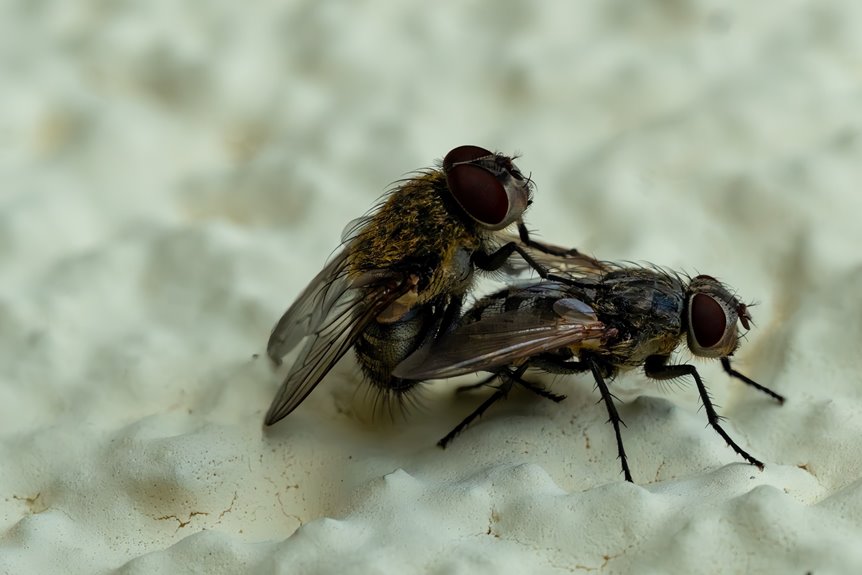
Although drain flies are tiny, they can make a big mess of your peace of mind. You’re not coping with a random bug; you’re seeing a small mothlike fly that breeds in wet, gunky buildup. In the egg laying phase, adults place eggs in slimy organic film, so these pests appear whenever moisture and food debris stay put. Their lifecycle stages move fast, from egg to larva to adult, which helps them seem to pop up overnight.
Should you’ve noticed them, you’re not alone, and you’re not doing anything wrong. They simply take advantage of damp spaces, then multiply fast. That’s why spotting them promptly matters. Once you understand what they are, you can feel more in control and ready for the next step.
Check the Drains Where Drain Flies Hide
Now that you know drain flies love damp, dirty buildup, the next move is to find their hiding spots, and that starts with the drains in your home. Check every sink, tub, shower, and floor drain, because these little pests often stay close to the moisture they need. Look for slow draining water, a musty smell, or tiny flies resting on the rim.
A simple pipe inspection can help you spot the problem fast, especially in rarely used drains that dry out and invite bugs. Should a drain keeps bringing them back, you might need trap replacement to stop the cycle. You’re not contending with a dirty secret alone here. With a careful look, you can narrow the source and feel more in control.
Scrub Drain Fly Buildup From Pipes
Next, scrub the pipe walls to remove the slimy buildup where drain flies lay eggs and hide.
Use a stiff brush or pipe-safe cleaner to break up the biofilm, since that sticky layer can keep the problem going even after you clear the drain opening.
Then flush the loosened debris away with plenty of hot water so the pipes stay cleaner and less welcoming to flies.
Remove Pipe Slime
Scrub away the slimy film inside your drain, because that sticky buildup is where drain flies love to hide and breed. You’re not alone provided this feels gross; many homes deal with it. Start with a simple pipe inspection so you can spot the worst spots. Then use enzymatic cleaners that dissolve grime without harsh fumes.
- Pour the cleaner as directed.
- Let it sit so it can work deep in the pipe.
- Rinse with warm water to wash away loosened slime.
When you keep the pipe walls cleaner, you make the drain less inviting for pests. A steady routine helps your home feel fresher, and you can feel better appreciating you’re taking control.
Scrub Biofilm Thoroughly
A deep, steady scrubbing can make a big difference whenever drain flies keep coming back.
You can tackle the sticky biofilm that clings inside the pipe walls and gives them a place to settle in. Use a stiff brush or pipe brush to work the inner sides of the drain, and keep your strokes firm and steady. That grit matters for odor control too, since the same buildup often causes the sour smell you’ve noticed.
Should you stay patient, you’ll break up the film that supports seasonal breeding and make the drain less inviting. Take your time around bends and seams, where gunk hides best.
A thorough scrub helps you feel back in charge of the space, and that matters whenever you just want your home to feel clean again.
Flush Debris Away
After you’ve scrubbed the drain walls, it helps to wash all that loosened grime right out of the pipe. You’re not just cleaning for looks. You’re breaking the food source that drain flies love, and that gives your home a cleaner start.
Turn on hot water and let it run hard for a few minutes so pipe flushing can push the mess through. Should the water slow, repeat the rinse and watch for debris relocation farther down the line.
- Run the tap with steady pressure.
- Use a kettle of hot water should it be needed.
- Check the drain for quick flow.
When you do this right, you help your space feel fresher and less welcoming to pests. A clear pipe gives you a better shot at keeping those flies away.
Flush the Drains With Boiling Water
Boiling water can do a lot of quiet heavy lifting while you’re trying to get rid of drain flies. To begin with, check boiling water safety so you don’t crack a fragile pipe or splash yourself. Then, pour a steady stream slowly into the drain, letting the heat reach the sticky film where flies breed. You don’t need to rush. A calm pour works better and feels easier to manage.
If your sink has metal pipes, this step can help loosen leftover grime after you’ve flushed debris away. Repeat once or twice a day for a few days, and keep the water moving down the drain. That simple habit also supports mineral deposit prevention, which can make the inside of the pipe less friendly to pests.
Use Enzyme Cleaners to Break Down Drain Gunk
Enzyme cleaners can help you decompose the sticky gunk lining your drain, and that matters because drain flies love that slimy buildup.
You’ll want to pour the cleaner in and let it work on the organic material that feeds those pests.
Once you target the food source, you make your drain a lot less welcoming, which is a small win that feels pretty good.
Enzyme Cleaner Action
Let the cleaner do the hard work for you. You’re not fighting drain flies alone; you’re teaming up with enzyme cleaners that quietly cut through the slime they need. These formulas use enzyme mechanisms to break apart sticky residue, and that weakens the home pests rely on. As the film thins, microbial succession shifts too, making the drain less welcoming.
- Pour the cleaner in after use, so it can cling to the sides.
- Let it sit overnight, because enzymes need time to work.
- Repeat on a regular schedule, and you’ll keep the drain from turning into a cozy hangout.
When you stay consistent, you give your home a better chance to feel fresh again, and that small win really matters.
Remove Organic Buildup
Scrub away the gunk that gives drain flies a place to grow. You can’t just rinse the drain and hope for the best, because sticky sludge feeds the larvae. Instead, pour an enzyme cleaner into the drain and let it work overnight.
These cleaners decompose soap, grease, and food bits that cling to the pipe walls. Then flush with warm water and repeat as needed for a few days.
In case your drain keeps attracting flies, you’re not failing, you’re just coping with concealed buildup. For tougher cases, biofilm sampling can show where the slime hides, and bacterial sequencing can reveal what’s inhabiting there. That helps you choose a cleaner that targets the mess more effectively.
Try Vinegar and Baking Soda in Drains
A simple vinegar and baking soda flush can help clear the slimy buildup that drain flies love. You can use this easy mix as one of your natural deterrents, and it also gives quick odor masking while you work.
First, pour 1/2 cup baking soda into the drain. Next, add 1 cup vinegar and let it fizz for 15 minutes. Then, flush with hot water to move loosened gunk away.
- Repeat it weekly for steady control.
- Use it after you notice a musty smell.
- Keep the drain covered for an hour.
This simple step helps you feel in charge again, and it fits right into your routine without stress.
Clean Sinks, Showers, and Overflow Holes
Once you’ve cleared some of the grime inside the drain, take a closer look at the nearby surfaces that can keep feeding drain flies.
Wipe down bathroom fixtures with warm soapy water, then scrub the sink trap and the edges around it, where wet film likes to hide.
In the shower, clean shower grout with a brush so soap scum and damp dirt don’t stay behind.
Don’t forget overflow maintenance, because the small holes in sinks can collect slime that flies love. Use a narrow brush or pipe cleaner to reach inside and rinse well.
After that, dry the area with a towel. You’ll feel better realizing your space is cleaner, and your home won’t give those pests extra places to settle.
Stop Drain Flies From Coming Back
To keep drain flies from coming back, you’ll want to get rid of any standing water around sinks, tubs, and floor drains.
Then keep your drains clean on a regular basis, so gunk doesn’t build up and give them a place to breed.
A little steady upkeep now can save you from that annoying surprise later.
Eliminate Standing Water
Standing water can bring drain flies back faster than you’d expect, so it’s worth chasing down every damp spot around your home. You’re not just fixing a nuisance; you’re protecting the comfort of everyone who shares your space. Start with these three checks:
- Look under sinks, tubs, and appliances for slow leaks.
- Empty plant saucers, mop buckets, and pet dishes often.
- Review rainwater collection spots and use puddle prevention around steps, gutters, and low yard areas.
When you stay on top of these places, you cut off the moist hiding spots drain flies love. That small habit helps your home feel calmer, cleaner, and more welcoming.
Should you keep walking through each room with fresh eyes, you’ll spot trouble sooner and stop the flies from settling back in.
Maintain Clean Drains
Keeping your drains clean is one of the best ways to stop drain flies from settling back in. You can protect your home by scrubbing drain walls, removing slime, and flushing pipes with hot water. Then, use a drain brush or pipe cleaner to reach concealed buildup where eggs might cling.
Should you notice slow drainage or a musty smell, act fast, because those signs invite pests. Routine inspections help you catch trouble sooner, so make them part of your weekly cleanup. For extra peace of mind, add monthly maintenance with an enzyme cleaner to dissolve gunk before it grows.
Whenever you stay consistent, you make your kitchen or bathroom feel fresher, calmer, and more like the clean space your household deserves.
Fix Drain Fly Moisture Problems
Whenever your drain flies keep coming back, extra moisture is often the real problem, and you can usually fix it with a few simple changes. You’re not alone, and you can make your space less welcoming through drying out the areas they love most. Start with humidity control, thereafter move to the damp spots around sinks, tubs, and laundry spaces.
- Run exhaust fans after showers and cooking.
- Wipe standing water from counters and floors.
- Use vapor barriers in crawl spaces or under sinks where moisture lingers.
Next, check for slow-drying mats, wet sponges, and dripping pipes, because these small puddles help flies stick around. Whenever you keep things dry, you take back control and help your home feel fresher, calmer, and a lot less buggy.
When Drain Flies Signal a Bigger Problem
Provided drain flies keep showing up after you’ve dried out the usual problem spots, they could be warning you about something bigger concealed in the plumbing or nearby walls. You’re not just coping with a nuisance anymore.
Whenever they linger, look for sewage contamination, because it can feed them and spread bad odors. Check for plumbing leaks under sinks, behind toilets, and around floor drains, since even a small drip can hide in plain sight.
You might also notice soft drywall, stained baseboards, or a musty smell. Those clues matter, and they can help you feel less stuck and more in control.
Keep watching the area closely, because drain flies often gather where water and waste meet.
Call a Pro for Stubborn Drain Flies
Sometimes, drain flies keep coming back because the real problem needs a trained eye. You can scrub and seal, but concealed sludge, broken pipes, or deep gunk might still feed them. That’s once licensed exterminators can help you feel supported, not stuck.
- They inspect drains, traps, and nearby leaks to find the source.
- They use advanced treatments that reach inside hard-to-clean spaces.
- They help you set up fixes that keep your home feeling clean and calm.
Whenever you call a pro, you’re not giving up. You’re joining others who’ve faced the same annoying pests and won. A good technician explains each step, answers your questions, and treats your space with care. That support can bring relief fast and help your home feel like yours again.
Frequently Asked Questions
How Long Do Drain Flies Typically Live Indoors?
Drain flies usually live about one to three weeks indoors, depending on moisture, food, and indoor habitats. You will often see them sooner, but with steady cleanup you can keep your space calmer and more comfortable.
Do Drain Flies Bite Humans or Pets?
No — they don’t bite you or your pets. These fuzzy little moths have low bite risk; their feeding behavior centers on decaying gunk, not skin. You’re safe, and you’re not alone in coping with them.
Can Drain Flies Spread Diseases in Homes?
Yes, drain flies usually do not spread diseases in homes, but you should still act quickly because they can contribute to pathogen transmission and environmental contamination. You will keep your space safer and feel more comfortable as a result.
Why Are Drain Flies Worse at Night?
You’ll notice them more at night because their nocturnal activity peaks, light attraction pulls them out, and their resting behavior changes. Their feeding patterns also shift, so you’re not imagining they seem worse together.
Are Drain Flies the Same as Fruit Flies?
No, you’re seeing different pests. Like two cousins sharing a crowded kitchen, they look similar, but drain flies breed as larvae inside drains, while fruit flies favor ripe fruit and gather around leftovers to mate.